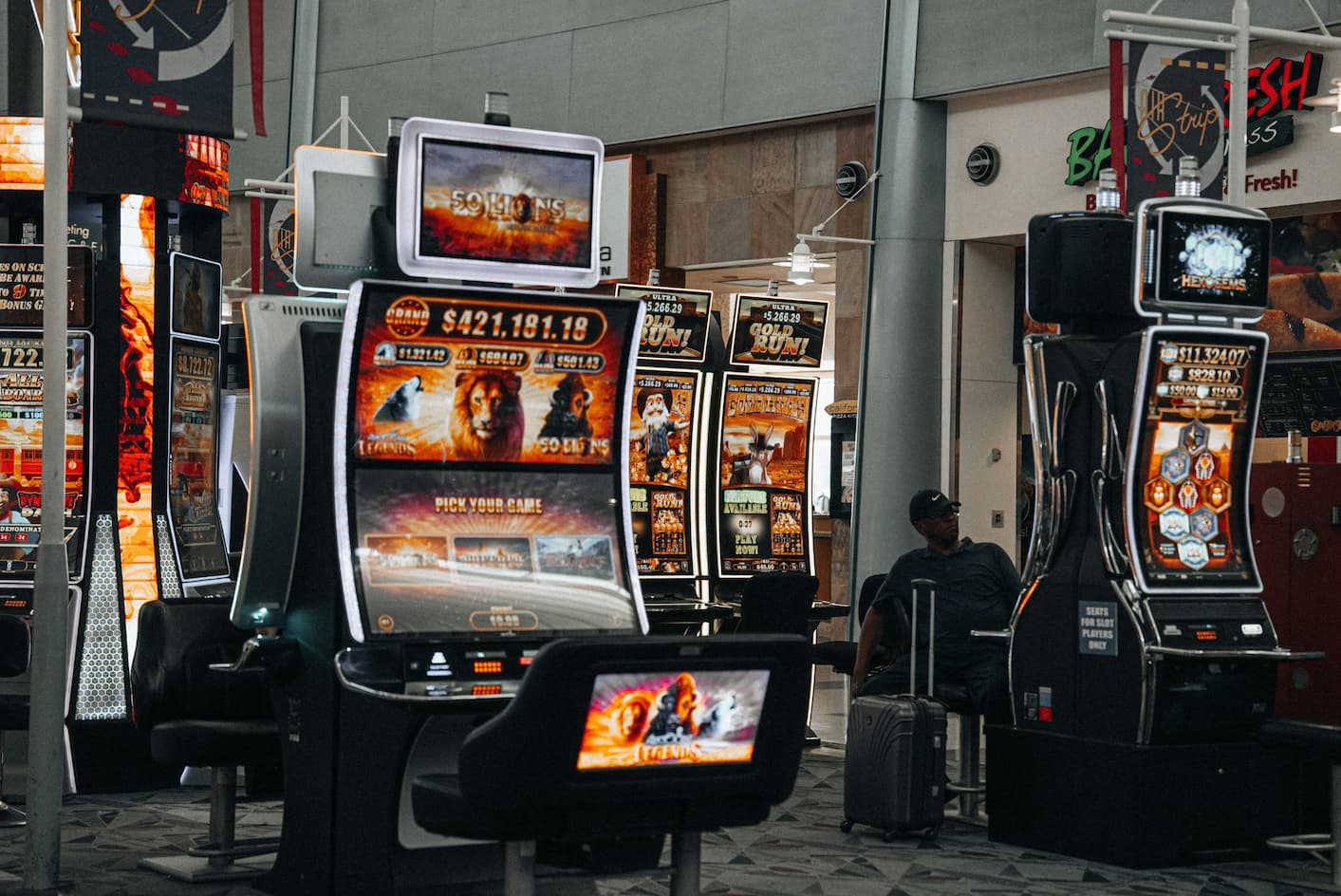
Casinos have always been misunderstood as neutral playgrounds. In truth, they are carefully constructed systems. Every corridor, every sound, every color has purpose. The user experiences spontaneity. Yet behind the surface, the environment dictates rhythm.
Platforms like TonyBet casino adapt this principle for the digital sphere. They replicate the architecture of physical spaces but refine it with code. What seems natural is calculated. The thrill is not incidental—it is engineered.
The casino is less a building than a behavioral machine.
The Illusion of Freedom
Choice dominates the casino experience—or at least appears to. Rows of machines, countless tables, endless promotions online: variety signals autonomy. But choice here is framed, never open. Options are designed to guide attention toward profitable patterns.
Freedom is simulated, not real. A player’s “decision” is already anticipated, channeled through probability, placement, and presentation. Autonomy exists only within a carefully bounded frame.
The paradox is sharp: you move freely, but always inside someone else’s map.
The Disappearance of Time
Step into a casino, physical or digital, and you lose track of time. This is no accident. Windows vanish. Clocks are absent. Digital platforms mimic this effect with constant updates, fluid transitions, and live odds. Time is suspended, or rather, it is replaced.
Players do not measure hours. They measure cycles: bets placed, spins completed, hands played. The world outside recedes. Inside, continuity reigns.
Casinos succeed not by tricking players, but by redefining temporality itself.
Near Wins, Structured Hope
Few mechanics are as powerful as the “near win.” Slot reels stopping just short, cards aligning almost perfectly, odds shifting slightly in your favor. These events are not random illusions. They are statistical devices designed to prolong engagement.
A near win reframes failure as potential. The player feels momentum, not loss. Hope replaces disappointment. In this rhythm, the act of almost winning is more valuable than victory itself.
Casinos master the art of hope engineering.
Ritual Without Resolution

What defines the casino most deeply is not chance, but repetition. The bet becomes a ritual. Each spin or wager mirrors the last, endlessly looping. There is no finality—only recurrence with variation.
Resolution is denied. Instead, continuity is rewarded. In this sense, the casino is not about winning. It is about staying inside the system, participating in its logic, maintaining its rhythm.
Symbolic Spaces and Algorithmic Mirrors
Casinos, whether built of stone or servers, act as mirrors. They reflect not the external world, but a stylized version of human desire. Risk, anticipation, release—these emotions are coded into the environment. Algorithms adjust, architectures shift, but the logic remains constant: keep the user inside.
The casino is not just where play happens. It is where desire is formatted into loops.
The Hidden Economy of Attention
Underlying all design choices is a deeper economy: the capture and conversion of attention. Money circulates, yes, but attention sustains the cycle. Every second spent engaged becomes measurable value, a resource harvested by the system. In this way, casinos reveal their true product. They do not simply sell games; they transform the act of looking, waiting, and hoping into extractable capital.