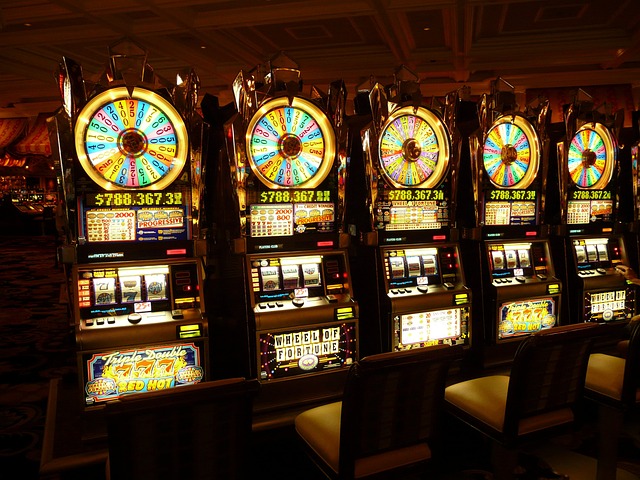
Random Number Generators (RNGs) are the cornerstone of modern casino gaming. They ensure that every spin, card draw, or dice roll is unpredictable and unbiased, creating a fair and transparent environment for players. Understanding how RNGs work can help players separate fact from myth and appreciate the systems that underpin both online and offline casino games.
RNG technology has advanced considerably since the earliest mechanical methods. While older machines relied on physical randomness, today’s digital RNGs use sophisticated algorithms and cryptographic techniques. These systems allow casinos to deliver consistent fairness while still maintaining the excitement and unpredictability that players expect.
How RNGs Work in Casino Games
An RNG is a computer algorithm that produces a sequence of numbers that cannot be reasonably predicted. In casino games, these numbers are mapped to game outcomes. For example, in slots, an RNG determines which symbols appear on each reel. In card games, it decides the order of cards in a deck.
Every spin or hand is independent, meaning past results have no influence on future outcomes. This is critical to fairness because it prevents patterns, manipulation, or bias. Even when multiple players are involved, RNGs ensure that each participant faces equal odds according to the game’s design.
Testing and Certification
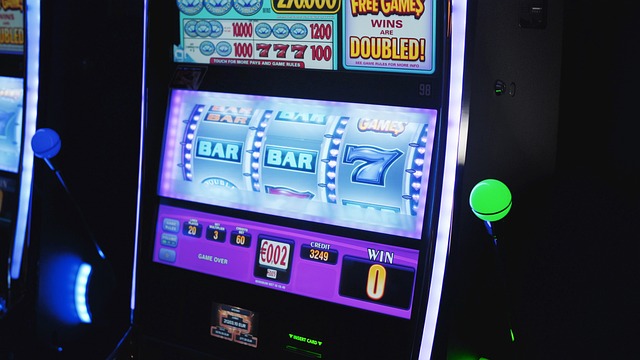
To guarantee that RNGs are genuinely random, casinos submit their systems to independent testing labs. These organizations analyze the algorithm’s output over millions of trials to verify uniformity, unpredictability, and proper adherence to the declared Return-to-Player (RTP) rates.
Regulators in various jurisdictions also enforce compliance with fairness standards. Only games that pass rigorous auditing receive approval to go live. This layered testing process ensures that RNG-driven outcomes remain trustworthy and transparent to players.
RNGs in Online vs. Land-Based Casinos
While the underlying principle of randomness is the same, online and land-based casinos implement RNGs differently.
- Online Casinos: Use digital RNG algorithms embedded in the software. Each outcome is generated instantly and independently. Continuous monitoring and automated auditing ensure reliability.
- Land-Based Casinos: Traditional machines may use mechanical RNGs or digital systems to simulate randomness. While outcomes are still unpredictable, they are subject to physical testing and maintenance.
Despite differences in implementation, both environments rely on RNGs to maintain fairness and prevent manipulation.
Misconceptions About RNGs
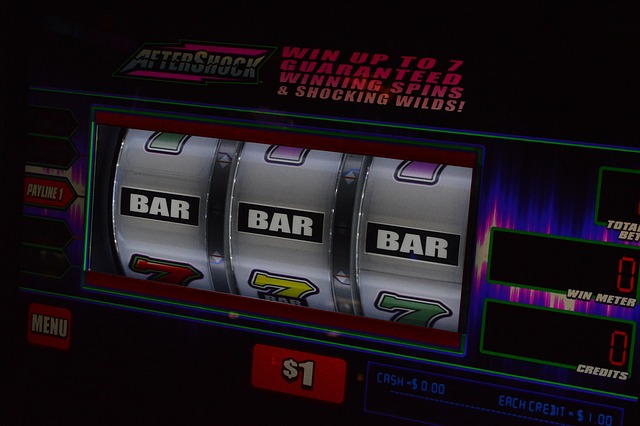
Many players believe that slot machines or digital tables “track” users, go through hot and cold cycles, or adjust outcomes based on bet size. RNGs make these ideas impossible. Each result is generated independently, and no machine memory affects the outcome.
Another misconception is that some games can be “beaten” with a system or strategy. While understanding volatility and RTP helps with bankroll management, RNGs prevent predicting individual results. This is why responsible play focuses on strategy and risk management, not trying to influence random outcomes.
Player Protections Enabled by RNGs
RNGs not only ensure fair play but also support transparency and accountability. Combined with licensing, third-party audits, and clear RTP disclosures, players can trust that games are unbiased. Platforms often provide proof of certification or lab reports to confirm RNG reliability, giving users peace of mind when wagering.
This trust is essential for maintaining player confidence in both online and offline gambling. Knowing that RNGs function correctly allows players to focus on entertainment and strategy rather than worrying about manipulation.